
When the message is not getting through.
We begin with real situations: conversations people avoid, unclear expectations, or misunderstandings. We explore different ways to listen and express what each person needs.

CÓDIGO INTERIOR BY MAGUI RODRÍGUEZ · BUSINESSES
I help you explore how your team communicates, collaborates, and makes decisions, using Human Design as a tool for reflection.
A space for people who lead teams and want to navigate differences with greater clarity and care.
Online support · English and Spanish

Listen to different perspectives.
Work better together.
01 / HOW I CAN HELP
We begin with real situations: conversations people avoid, unclear expectations, or misunderstandings. We explore different ways to listen and express what each person needs.
We explore how decisions are presented, how the team is heard, and what agreements could accommodate different working rhythms while keeping responsibilities clear.
We explore working relationships and what each person contributes. Together, we develop practical agreements about coordination, boundaries, and collaboration.
We explore how to bring organizational needs and goals together with the different ways team members work, communicate, and contribute.
Human Design offers a complementary perspective for reflecting on team dynamics and supporting a workplace culture grounded in respect for differences, shared responsibility, and collaboration.
THE TOOL, IN PLAIN LANGUAGE
Human Design is a system of self-knowledge that uses birth date, time, and place to create a personal chart. We use it to ask questions about individual differences and compare those ideas with what happens at work.
The conversation starts with a challenge the team is facing. Charts from those who choose to participate can prompt questions; we then consider together what is useful and what action is worth trying.
A chart does not determine ability, performance, or compatibility. Participation is voluntary, and birth details are shared with consent. Charts are not used to select, exclude, or evaluate employees.
02 / FIRSTHAND EXPERIENCE
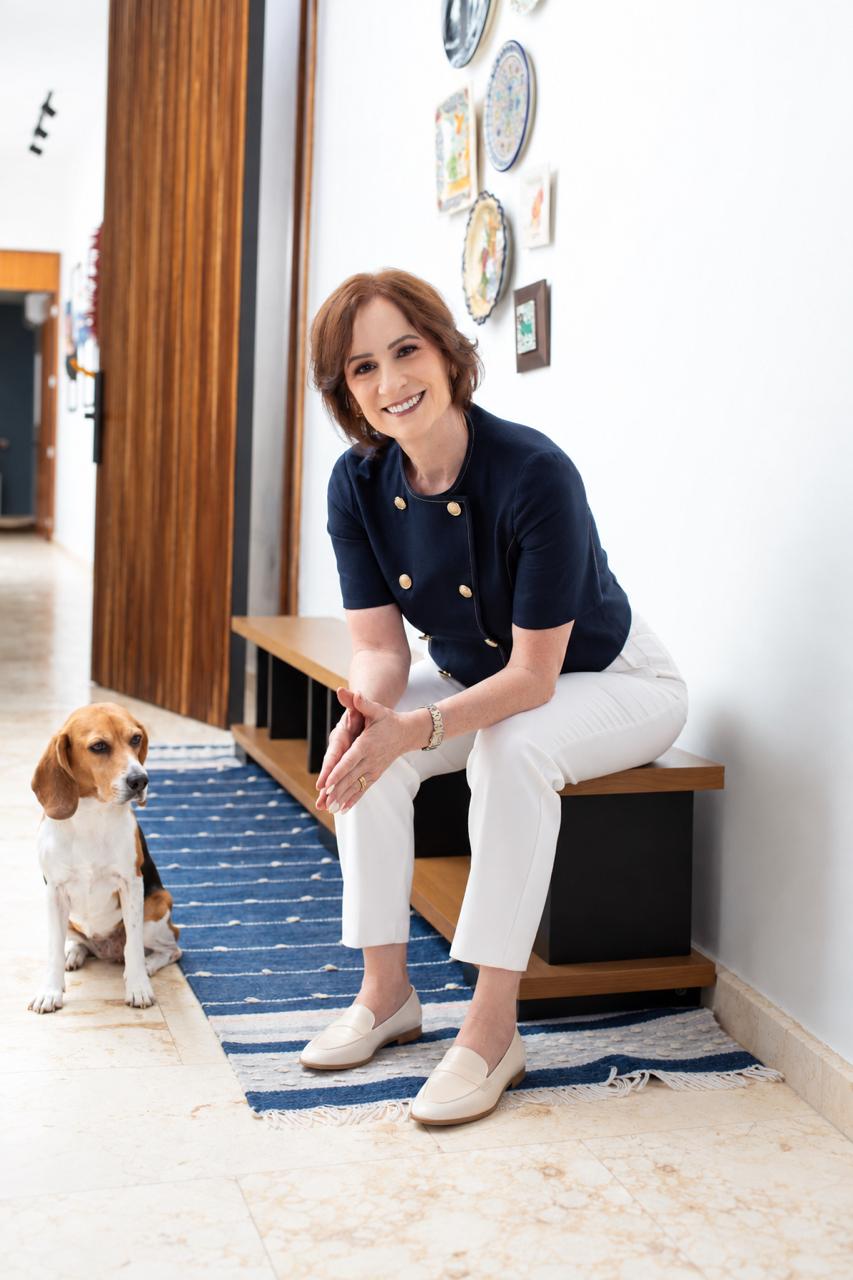
From 1990 to 2019, I was co-founder and co-owner of Grupo Bolín, an industrial company with approximately 140 employees.
I served as executive vice president for 19 years and as executive president for the final 11 years, until the company was sold in 2019.
This nearly three-decade career gave me firsthand experience in business management, team management, leadership, operations, and strategic decision-making.
Today, I bring that experience together with my training as a certified Human Design guide and my advanced analyst studies, combining a business perspective with sensitivity to people and their different ways of working.
03 / HOW WE BEGIN
We begin with a specific situation: a conflict, a challenge in working together, or a leadership concern. You do not need any knowledge of Human Design.
Before we begin, we agree on the goal, who would participate, how to protect their privacy, and the fees.
We compare what emerges in the conversation with the experience of the team and choose an agreement or practice to bring into everyday work.
BEFORE WE TALK
We can begin with you as the team leader. If involving other people would be useful, we agree on the goal and voluntary participation before expanding the work.
No. We start with what is happening at work and explain the tool in accessible language, connecting the reflection to specific situations.
Not in your first message. If we agree to work with personal charts, each participant decides whether to share their birth details and is told the purpose and who will have access beforehand.
Human Design can offer an additional perspective on people: how they interact, make decisions, and contribute within a team.
This perspective can enrich conversations about hiring, professional development, and promotion by helping people explore how to support each person in their work environment.
However, Human Design is not a validated tool for measuring competencies or predicting performance. It should therefore be used as a complementary resource for reflection, never as a criterion for selecting, promoting, or rejecting candidates. These decisions must be based on competencies, experience, results, and objective professional criteria.
We work online in English or Spanish. Scope, participants, availability, and fees are agreed on before we begin.
TELL ME ABOUT YOUR TEAM
Tell me what you would like to improve in leading or working with your team. We can explore how I might support you from there.
Ask by email ↗codigointeriordh@gmail.com